Baking Isn’t Hard: Simple Truths That Make a Big Difference
If you’ve ever told yourself “I’m just not a baker”, I want to stop you right there.
Baking isn’t hard — but it is misunderstood.
Most people think baking requires talent, fancy tools, or years of experience. In reality, good baking comes down to a handful of simple things that matter far more than perfection. Once you understand those, baking stops feeling intimidating and starts feeling predictable — and even enjoyable.
Let’s talk about what actually matters.
Baking Is About Consistency, Not Skill
This might surprise you, but most successful bakers aren’t “naturally good” at baking.
They’re consistent.
They:
- Measure the same way every time
- Use similar ingredients repeatedly
- Bake in the same oven long enough to understand it
And yes — this part is hard. We move every few years, and learning a new oven every time is frustrating. Different ovens bake differently, even when the temperature says the same thing. If baking has felt inconsistent for you, it might not be your skills at all — it might just be a new oven you haven’t gotten to know yet.
Consistency builds confidence. Confidence builds better results.
Measuring Correctly Matters More Than Anything Else
If there’s one place most bakers run into trouble, it’s measuring.
Baking is chemistry. Small differences add up fast.
What matters:
- Spoon flour into your measuring cup instead of scooping
- Level off dry ingredients
- Use actual measuring cups and spoons, not mugs
This alone can be the difference between soft, chewy Chocolate Chip Cookies, fluffy Cinnamon Rolls, or dense, dry baked goods that never quite turn out right.
If your results feel unpredictable, measuring is the first thing to fix.
Ingredients Don’t Have to Be Fancy — But They Do Need to Be Right
You don’t need expensive ingredients to bake well. You do need to use the ingredients a recipe actually calls for.
Some examples:
- Butter and oil are not interchangeable
- Baking powder and baking soda do different jobs
- Eggs add structure, moisture, and richness
Substitutions can work — but only once you understand why an ingredient is there. That’s why recipes like White Bread, Buttermilk Biscuits, and Vanilla Cupcakes rely on specific ratios to get the right texture.
Your Oven Is Probably the Problem (Not You)
Most home ovens don’t run true to temperature.
Some bake hot. Some bake cool. Some have uneven heat zones.
Instead of fighting it, learn it:
- Use the center rack when possible
- Notice where browning happens faster
- Pay attention to hot spots
If something like Double Chocolate Muffins or Banana Nut Muffins keeps overbaking on the edges, it’s often the oven — not the recipe.
Timing Is a Guide, Not a Rule
Recipes give bake times, but baked goods don’t read clocks.
What matters more:
- Visual cues
- Texture
- Smell
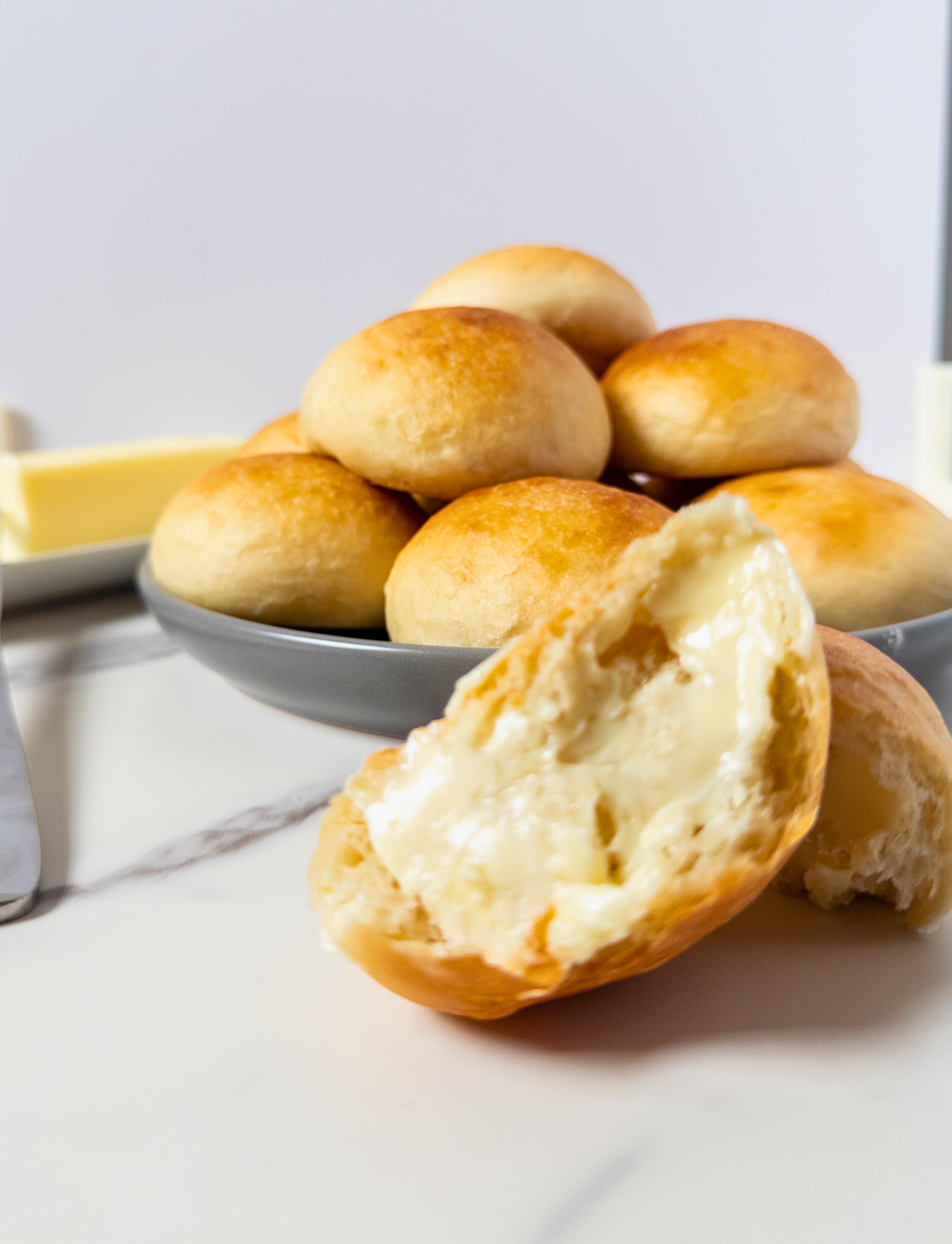
Golden edges, set centers, and gentle spring-back tell you more than a timer ever will. This is how you know when things like Brownies, Sugar Cookies, or Dinner Rolls are actually done — not just “done on paper.”
Overmixing Causes More Problems Than You Think
Once flour is added, mixing too much can:
- Make cakes tough
- Make muffins dense
- Make cookies dry
Gentle mixing matters more than people realize. Recipes like Applesauce Muffins and Blueberry Muffins rely on just-mixed batter for the right texture.
When a recipe says “mix until just combined,” it really means it.
Baking Is Repetition, Not Perfection
Your first bake doesn’t need to be perfect.
Your second will be better.
Your fifth will be more consistent.
Your tenth will feel comfortable.
Every baker you admire has ruined more bakes than you’ve attempted — they just didn’t stop.
Baking Confidence Comes From Understanding, Not Talent
Once you understand:
- Why measurements matter
- Why ingredients matter
- Why ovens matter
Baking stops feeling intimidating.
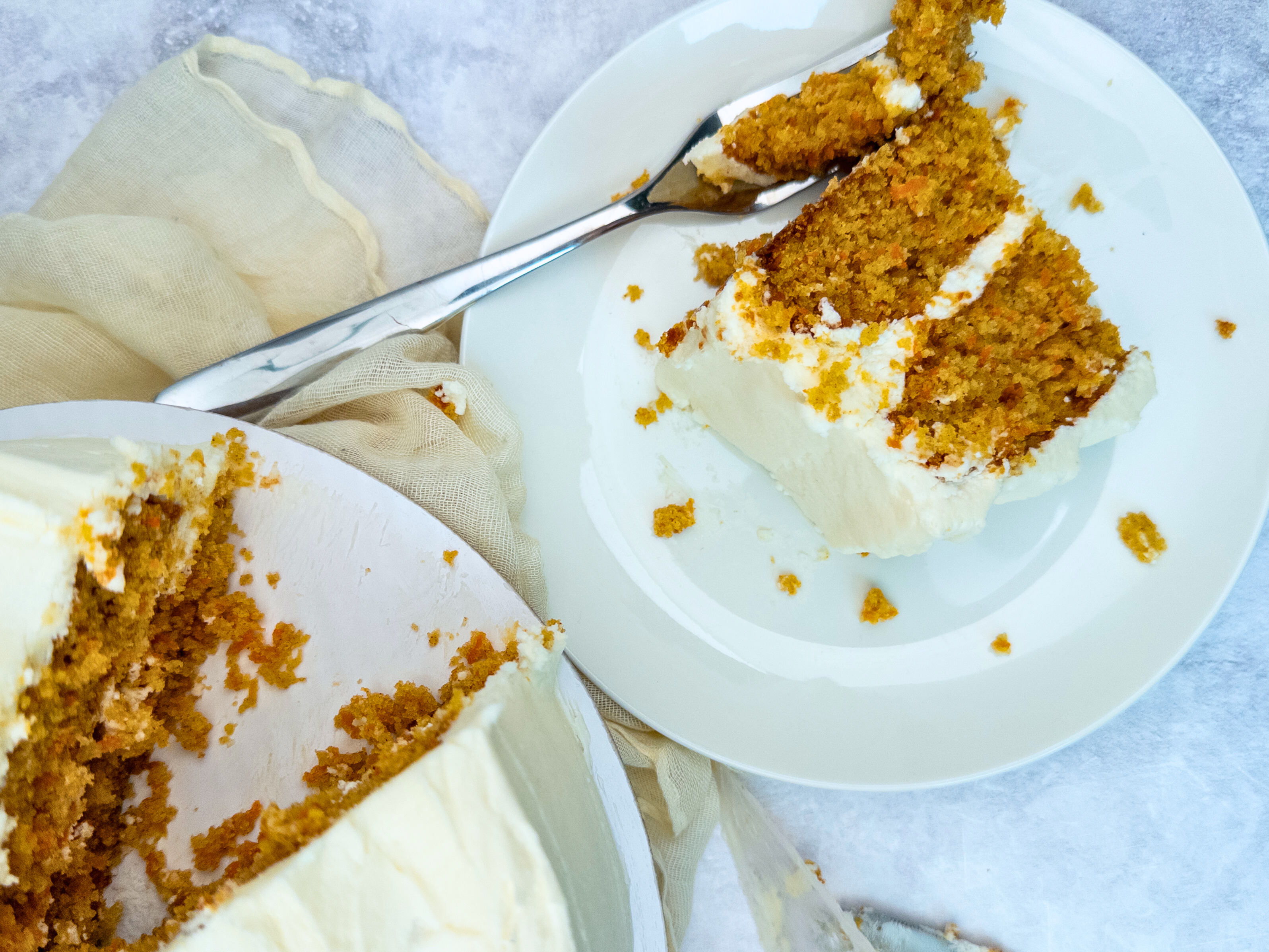
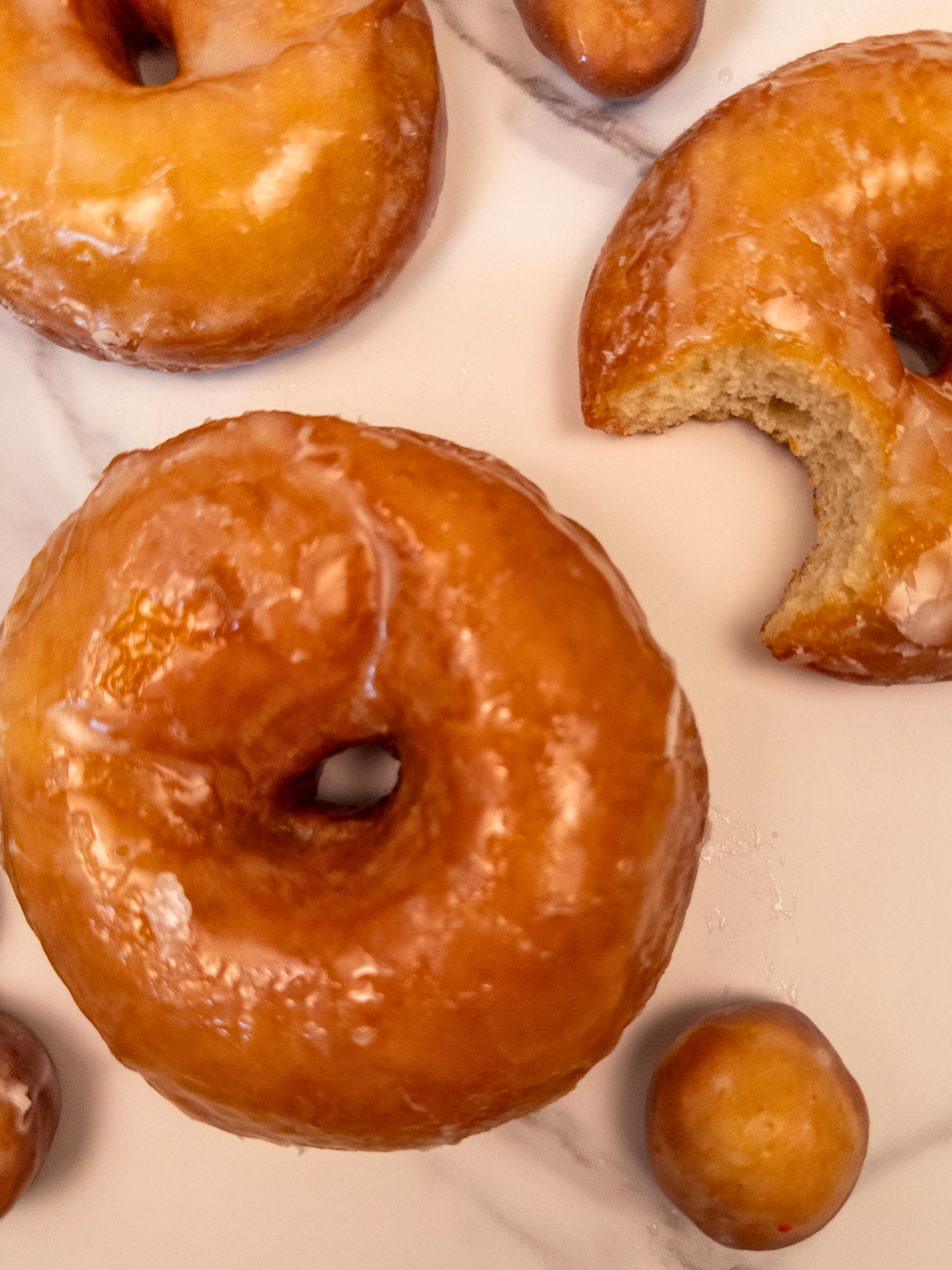
It becomes something you can troubleshoot, adjust, and enjoy — whether you’re making Glazed Donuts, Carrot Cake, or a simple batch of Oatmeal Raisin Cookies for your family.
Final Thoughts
Baking isn’t hard.
It’s structured.
It’s repeatable.
It’s learnable — even if you’re constantly adjusting to new kitchens and new ovens.
If you’ve been telling yourself baking “just isn’t your thing,” I hope this reminds you that skill isn’t the barrier. Understanding is.
And that’s something anyone can build.